I read 33 books in 2013, which is less than at any time since I started this blog four years ago. It’s a quarter of what I read in 2011! Pesky, pesky real life, getting in the way of more important activities. Here’s the 33:
HALF A LIFE by VS Naipaul
NW by Zadie Smith
GONE GIRL by Gillian Flynn
MIDDLEMARCH by George Elliott
PERSUASION by Jane Austen
THIS IS HOW YOU LOSE HER by Junot Diaz
SWIMMING HOME by Deborah Levy
PENELOPE by Rebecca Harrington
THE PRIME MINISTER’S CHILDREN by Anthony Trollope
SWEET TOOTH by Ian McEwan
YOUNG BLOOD by Sifiso Mzobe
CONFESSIONS OF A SHOPAHOLIC by Sophie Kinsella
CLOUDSTREET by Tim Winton
THE SPY WHO CAME IN FROM THE COLD by John Le Carre
LET’S EXPLORE DIABETES WITH OWLS by David Sedaris
MR NORRIS CHANGES TRAINS and GOODBYE TO BERLIN by Christopher Isherwood
A PLACE OF GREATER SAFETY by Hilary Mantel
DEATH OF THE ADVERSARY by Hans Kneilson
MAY WE BE FORGIVEN by AM Holmes
THE WAPSHOT SCANDAL by John Cheever
STONER by John Williams
MOON TIGER by Penelope Lively
THE FLAME TREES OF THIKA by Elspeth Huxley
MASTER GEORGIE by Beryl Bainbridge
LOVE, NINA by Nina Stibbe
THE LOVE AFFAIRS OF NATHANIEL P by Adelle Waldman
THE INTERESTINGS by Meg Wolitzer
ROSEMARY’S BABY by Ira Levin
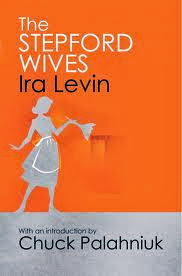
STEPFORD WIVES by Ira Levin
COCKTAIL HOUR UNDER THE TREE OF FORGETFULNESS by Alexandra Fuller
A TALE FOR THE TIME BEING by Ruth Ozeki
CHESS by Stefan Zweig
THE SON by Phillip Meyer
Highlights include STONER by John Williams, which tells the story of the ordinary life of a mediocre university professor. If it’s true that simplicity is the most difficult thing to achieve, then this book must have been incredibly hard to write. It is perhaps the simplest, and certainly close to the most perfect novel I’ve ever read. It made the the three or four novels after it – all quite serviceable – seem hokey and overwritten. Also wonderful was THE LOVE AFFAIRS OF NATHANIEL P, about the dating life of a New York writer, which gave me much to think about and saw me recommending it repetitively and boringly at social events. GONE GIRL by Gillian Flynn also gets an honourable mention, for being a genuinely thrilling thriller. Of course I do not include the Austen or the Elliot here – it’s hardly fair to put them into the competition.
Lowlights were HALF A LIFE, with our old friend VS Naipaul even more far gone than ever, with his weird novel involving African child prostitutes, and CLOUDSTREET, which was as complex and baggy as STONER was neat and simple.
For the first time ever, over half the books I read – 17 of the 33 – were by women! This is a big improvement on any year previously. I guess this is pretty obviously because I’m reading more contemporary writing now, and it’s only in recent years that women have been able to look up from the cooking/washing/birthing long enough to dream up a plot.
So that was 2013. 2014, let’s be having you!